Convergence Research Seed Program
Convergence Research seed funds will support a research team’s pursuit to solve vexing research problems with societal impact by providing the resources to formulate teams and ideas, as well as demonstrate success in early transdisciplinary projects. The next submission process for seed funding will open in the spring 2027. Please congratulate all of our winners from 2026!

Beyond the Margins: Community-Anchored, Low-Resource, High-Impact AI for Social Needs Screening and Referral in the Emergency Department
Co-lead by John Lewis, Assistant Profession, SOM, Department of Emergency Medicine, and Tina Baker Paulk, Nell Hodgson Woodruff School of Nursing, and in partnership with Grady Memorial Hospital. Social factors such as housing, food access, transportation, and safety have a profound impact on health outcomes, yet clinicians often lack efficient tools to connect patients with the support they need. This project will develop the foundation for an AI-powered platform that helps emergency department providers identify social needs, access reliable community resources, and track patient outcomes. The work has the potential to reduce health disparities and improve care for vulnerable populations.
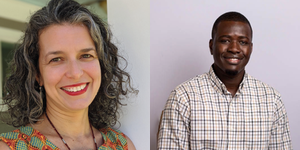
African Studies in the Age of Artificial Intelligence
Co-lead by Mariana Candido, ECAS, Department of African Studies and Bamba Ndiaye, Oxford College. As artificial intelligence increasingly influences how knowledge is created and shared, African perspectives are often overlooked in the development of emerging technologies. This project will position Emory's Institute of African Studies as a hub for conversations on equity, ethics, and AI. By fostering collaborations across disciplines, the initiative aims to develop new frameworks that ensure diverse knowledge systems are represented in the design and use of AI technologies.
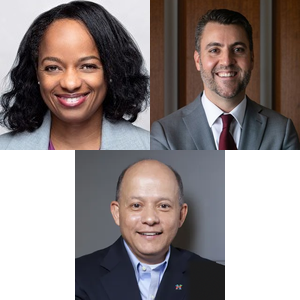
Beyond the Handoff: Reimagining Medically Complex Pediatric-to-Adult Transitions
This project is co-lead by Stephen Patrick, RSPH; Dan Salina, SOM; Tina-Ann Thompson, SOM; and including patient representative and a diverse of researchers and clinicians. For young people with medically complex conditions, moving from pediatric to adult healthcare services can be a difficult and fragmented process. This seed-funded project will convene a multidisciplinary team to examine the clinical, operational, technological, and policy challenges that affect these transitions. The goal is to create a roadmap for more coordinated, patient-centered care that reduces burden on families and improves continuity across healthcare systems.
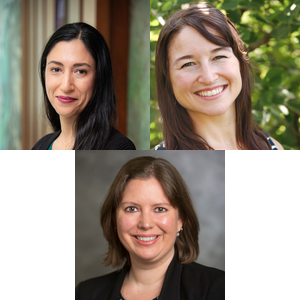
Toward Transformative Measurement and Management of Heavy Menstrual Bleeding
Co-led by Sheela Sinharoy, RSPH; Bethany Caruso, RSPH; and Alicia K. Smith, SOM, and including a diverse team of scholars. Heavy menstrual bleeding affects millions of individuals and is linked to anemia, depression, and reduced well-being, yet it remains underdiagnosed and inconsistently managed. This seed-funded project will unite researchers across disciplines to create a shared framework for improving how HMB is measured, diagnosed, and treated. The work seeks to lay the foundation for more equitable care and better health outcomes for women and others affected by the condition.
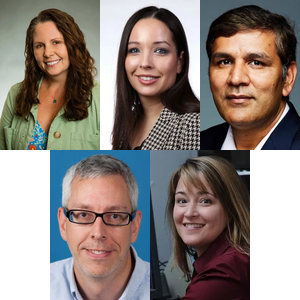
Precision Survivorship Through Behavior-Gene Congruence: A Convergence Pilot in Pediatric Medulloblastoma
This project is lead by Tricia King, NHWSN, and co-supported by Jennifer Frediani, NHWSN; Stephanie Griggs, NHWSN; Manoj Bhasin, SOM; and Tobey MacDonald, SOM. While survival rates for pediatric brain tumors have improved dramatically, many survivors continue to experience lasting challenges with memory, attention, and learning. This seed-funded project will explore how everyday behaviors, including exercise, sleep, and nutrition, may reduce these cognitive difficulties and whether genetic factors influence a child's response. The findings could help guide personalized recommendations to support healthier outcomes for brain tumor survivors.